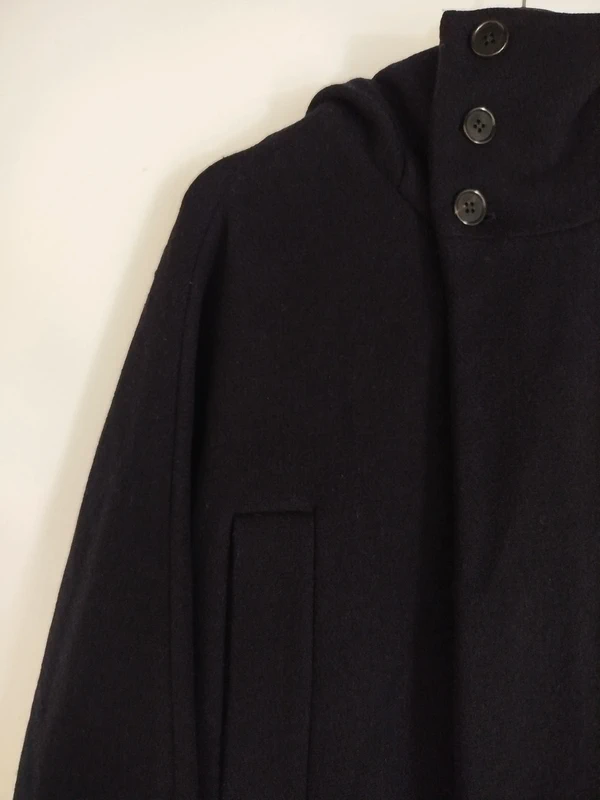
Japan has spent November in 1949. Godzilla Minus Zero (ゴジラ-0.0) opened on 3 November, Godzilla Day, with the biggest opening day the series has ever had in Japan, and it has been No.1 at the Japanese box office ever since. The story is set in 1949, four years after the war, and that year is a fascinating one for clothes. Here is what people wore, and how to bring the 1949 look into your wardrobe with real vintage.
Why everyone is talking about it
- A record start. It earned about ¥910 million on opening day in Japan, more than double what Godzilla Minus One made on its first day.
- Two weekends at No.1. It topped the Japanese weekend box office twice in a row and passed ¥4 billion by 15 November.
- A world hit. It also opened at No.1 in North America, a first for a Japanese film.
- A long weekend. With Labour Thanksgiving Day on Monday 23 November, many people are going to see it (again) this weekend.
1949: fashion after the war
In 1949 almost nothing was new, and that is what makes the period so interesting. In Japan, fabric was scarce, so people mended, dyed and remade what they had: old uniforms, coats and kimono became everyday clothes. In Britain, clothes rationing only ended in March 1949.
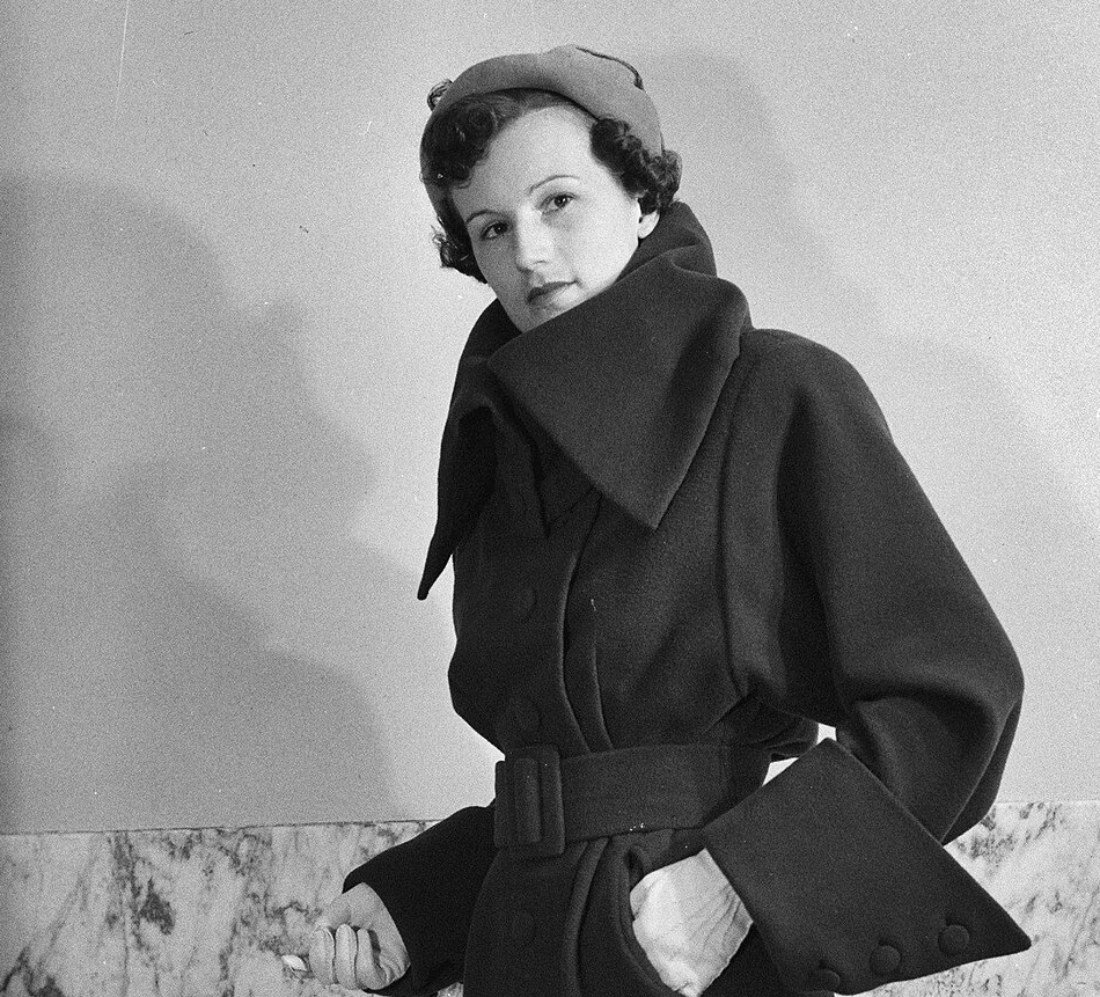
At the same time, fashion was dreaming again. Christian Dior’s New Look of 1947, with its small waist, soft shoulders and long full skirt, was spreading everywhere by 1949. Men wore long wool overcoats, wide double-breasted jackets, high-waisted trousers with a soft wide leg, knitted waistcoats and a hat. The fabrics were honest and warm: wool, tweed, herringbone and gabardine.
Six vintage pieces for a 1949 look
- A long wool coat. The single most “1949” piece. Our Marni wool-blend coat, made in Italy, has that long, warm shape.
- A gabardine trench coat. Trench coats were everywhere after the war. Our Burberrys’ trench coat, made in England, still carries the old label (see our Burberrys label guide).
- Herringbone. The classic weave of the era. The Trapo’s grey herringbone polo gives you the pattern without the formality.
- A chunky hand-knit feel. Knitwear kept people warm in cold post-war winters. Try the Blue Willi’s indigo cable-knit.
- A silk tie with a pattern. A small nod to the house that defined the late 40s: our Christian Dior Monsieur silk tie.
- A dark, simple jacket. Wear a black minimalist blazer slightly oversized, over a knit, like a borrowed jacket from 1949.
How to wear it today
- Go long and loose: a long coat over wide trousers looks right for 1949 and right for now.
- Keep the palette of an old photo: grey, brown, navy, black and cream.
- Mix textures (wool, knit, silk) instead of colours.
- Remember the spirit of the time: repair, reuse, keep. Buying vintage is exactly that.
Every piece in our shop is one of a kind and ships worldwide, including to Japan, with tracking. Check the fit with our size guide before you order.